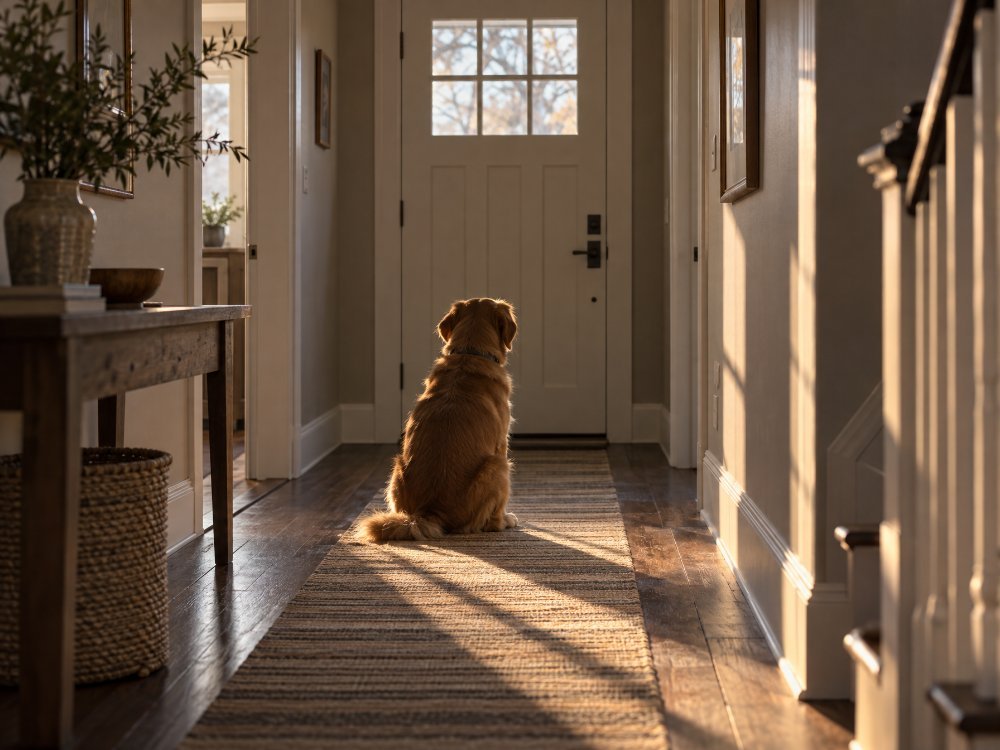
Your dog was
your first baby.
Now there are two.
Most dogs adjust to a new baby well, given enough preparation and the right structure. This site is about doing that preparation properly — starting months before the birth, not the week you come home.
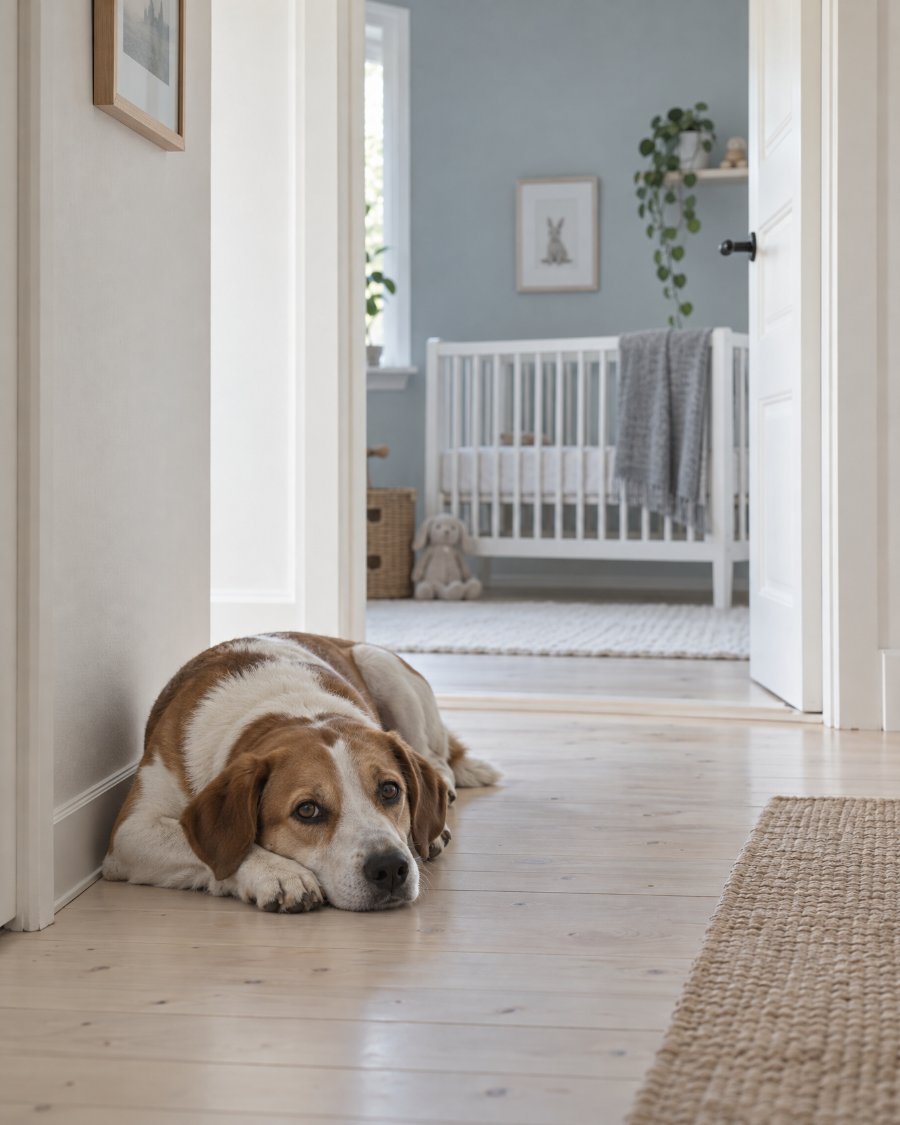
Four things to get right
In roughly this order. Everything on this site fits into one of them.
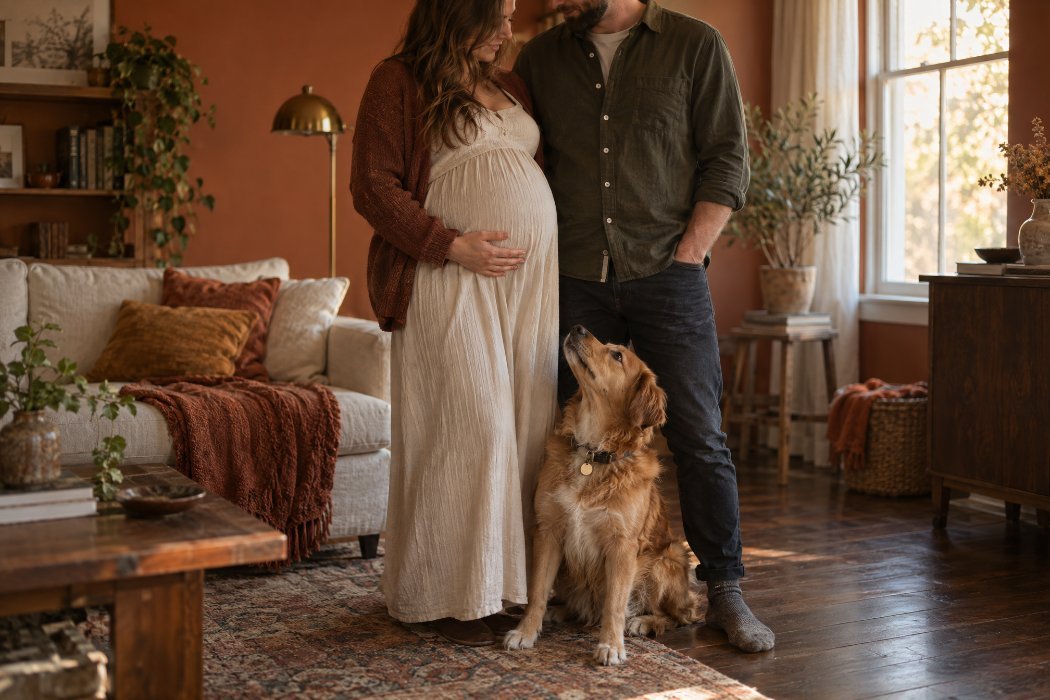
Prepare early
Every change you make before the baby arrives is a change your dog never associates with the baby.
The timeline & the barriers →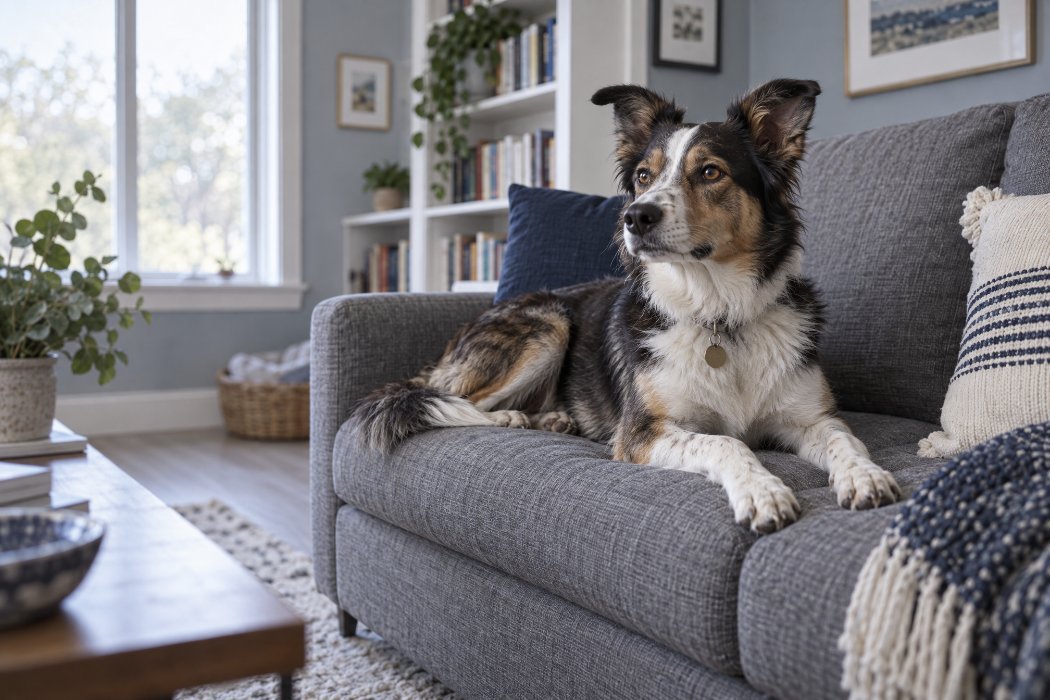
Learn the signals
Tell the checker what your dog is actually doing and get what it means, how urgent it is, and what to do now.
Signal checker →
Know your own dog
Breed is a starting point, size decides the consequences. Look yours up and read what it tends to need.
Breed & size finder →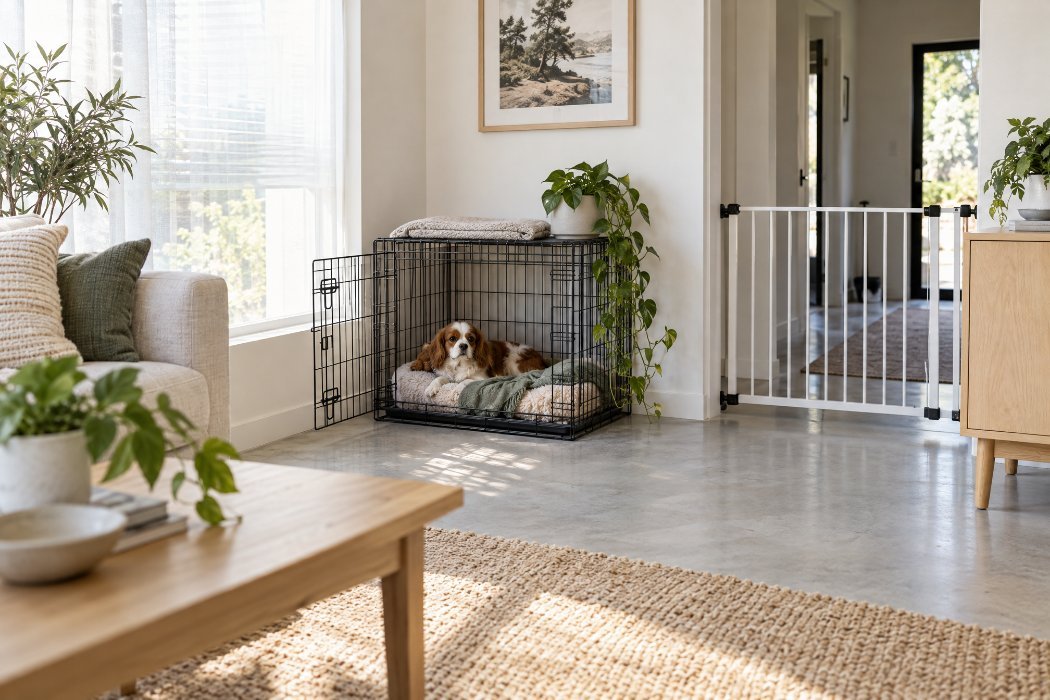
Let equipment do the work
A gate works when you are exhausted. A rule you meant to follow does not.
The kit that helps →It is almost never a stranger’s dog.
Serious injuries to babies overwhelmingly involve a familiar dog, in the family home, with an adult somewhere in the house. That is why “but he is so good with her” is not a safety plan.
A substantial share of infant fatalities in the published reviews involved babies who were asleep when the dog reached them. When you are asleep, you are not supervising — which is the argument for a barrier on the door rather than a rule everyone intends to keep.
What does your breed tend to need?
Pick your dog from the list and get an honest read: how much structure that breed usually needs around an infant, whether it belongs in the room, and the one thing to watch for.