Breed is a starting point.
Size decides the consequences.
Pick your dog below for an honest read on what that breed usually needs around an infant — how much structure, whether it belongs in the room, and the one thing to watch. Then stop reading and watch your own dog, because that is the part that actually predicts anything.
Choose a breed and you will get an ease grade out of ten, whether that dog belongs in the room with the baby, what it is generally like, and the specific thing to watch for.
See every breed at a glance
| Breed | Grade | In the room? | Read |
|---|---|---|---|
| Cavalier King Charles Spaniel | 9 | In the room with you | Gentle |
| Golden Retriever | 9 | In the room with you | Gentle |
| Labrador Retriever | 9 | In the room with you | Playful |
| Bernese Mountain Dog | 8 | Gate the nursery | Gentle |
| Bichon Frise | 8 | In the room with you | Playful |
| Boston Terrier | 8 | In the room with you | Playful |
| Bulldog (English) | 8 | In the room with you | Gentle |
| Collie (Rough) | 8 | In the room with you | Gentle |
| French Bulldog | 8 | In the room with you | Playful |
| Havanese | 8 | In the room with you | Playful |
| Labradoodle / Goldendoodle | 8 | In the room with you | Playful |
| Newfoundland | 8 | Gate the nursery | Gentle |
| Poodle (Standard) | 8 | In the room with you | Gentle |
| Pug | 8 | In the room with you | Gentle |
| Staffordshire Bull Terrier | 8 | Only with you between them | Playful |
| American Staffordshire Terrier / bully type | 7 | Only with you between them | Playful |
| Basset Hound | 7 | Only with you between them | Gentle |
| Beagle | 7 | Only with you between them | Playful |
| Boxer | 7 | Only with you between them | Playful |
| Brittany | 7 | Only with you between them | Playful |
| Cocker Spaniel | 7 | Only with you between them | Playful |
| English Springer Spaniel | 7 | Only with you between them | Playful |
| Great Dane | 7 | Gate the nursery | Gentle |
| Mastiff | 7 | Gate the nursery | Protective |
| Poodle (Miniature or Toy) | 7 | In the room with you | Playful |
| Shetland Sheepdog | 7 | Only with you between them | Protective |
| Shih Tzu | 7 | In the room with you | Gentle |
| Vizsla | 7 | Only with you between them | Playful |
| Australian Shepherd | 6 | Only with you between them | Driven |
| Border Collie | 6 | Only with you between them | Driven |
| Doberman Pinscher | 6 | Only with you between them | Protective |
| German Shepherd | 6 | Only with you between them | Protective |
| German Shorthaired Pointer | 6 | Only with you between them | Driven |
| Maltese | 6 | Only with you between them | Playful |
| Miniature Schnauzer | 6 | Only with you between them | Protective |
| Mixed breed or unknown history | 6 | Only with you between them | Varies |
| Pembroke Welsh Corgi | 6 | Only with you between them | Protective |
| Pomeranian | 6 | Only with you between them | Playful |
| Rottweiler | 6 | Only with you between them | Protective |
| Weimaraner | 6 | Gate the nursery | Driven |
| Yorkshire Terrier | 6 | Only with you between them | Playful |
| Australian Cattle Dog | 5 | Gate the nursery | Driven |
| Cane Corso | 5 | Gate the nursery | Protective |
| Chihuahua | 5 | Only with you between them | Standoffish |
| Dachshund | 5 | Only with you between them | Protective |
| Jack Russell Terrier | 5 | Only with you between them | Driven |
| Rhodesian Ridgeback | 5 | Gate the nursery | Protective |
| Shiba Inu | 5 | Only with you between them | Standoffish |
| Siberian Husky | 5 | Gate the nursery | Driven |
| Akita | 4 | Gate the nursery | Standoffish |
| Alaskan Malamute | 4 | Gate the nursery | Driven |
| Belgian Malinois | 4 | Gate the nursery | Driven |
Every dog is an individual
That grade is a tendency across thousands of dogs. This is the dog it cannot see: yours, on a particular day, in a particular room, with a particular amount of sleep behind it. Breed identification by eye is unreliable even among professionals — what predicts a safe household is this dog, this preparation, this management.
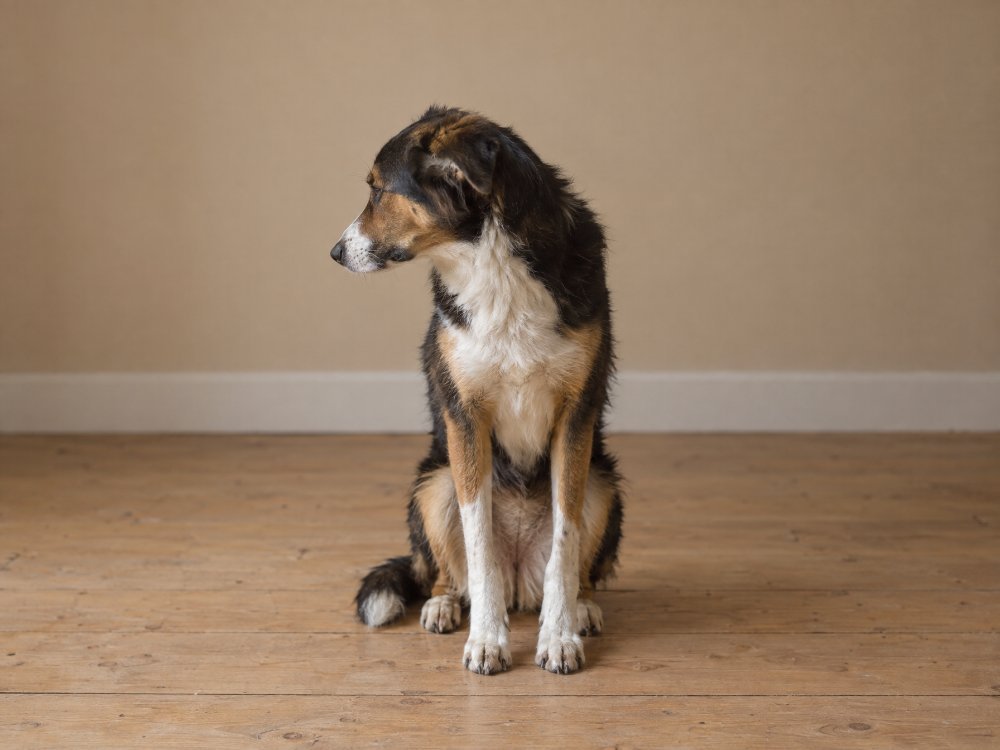
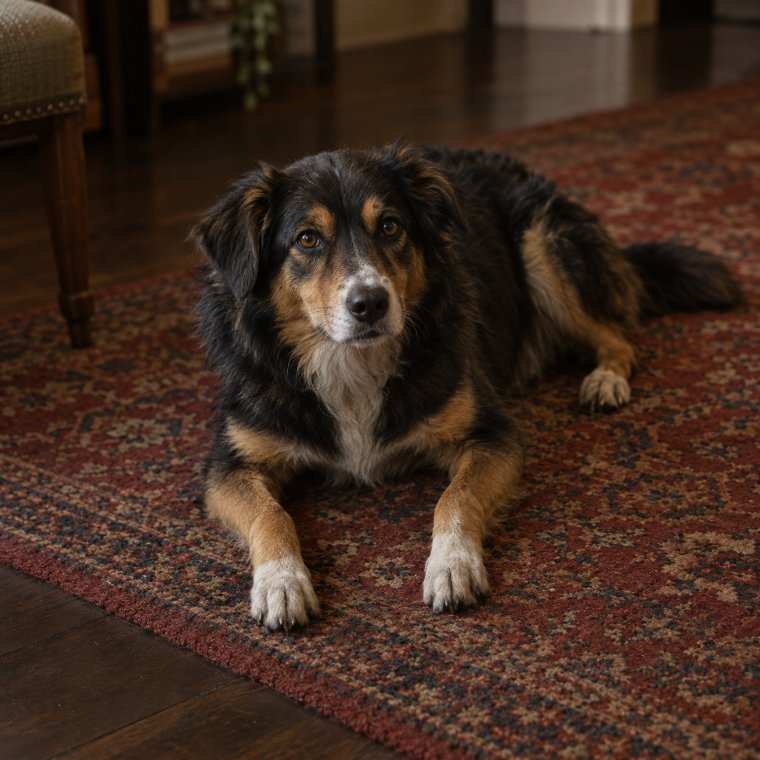
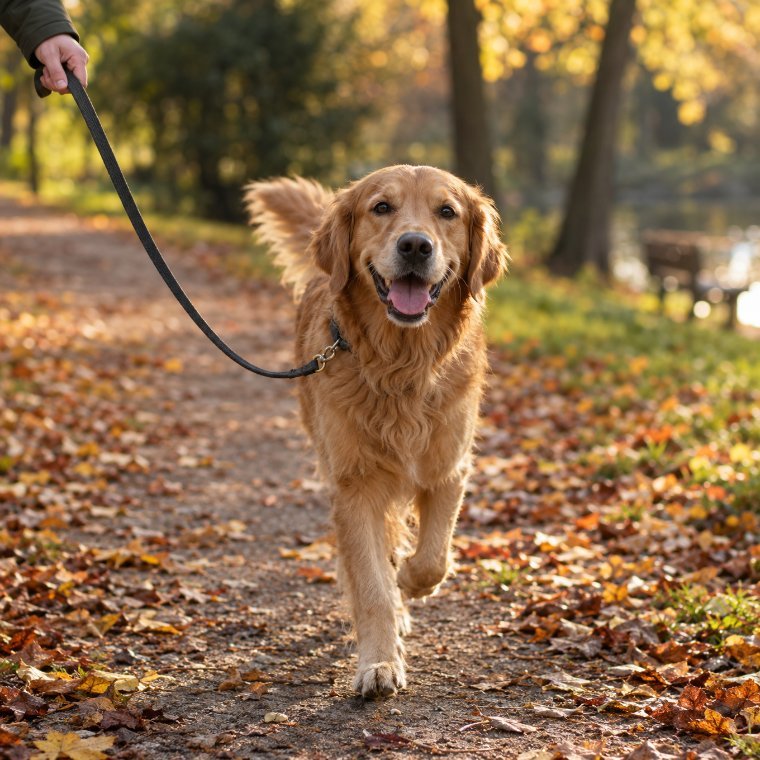
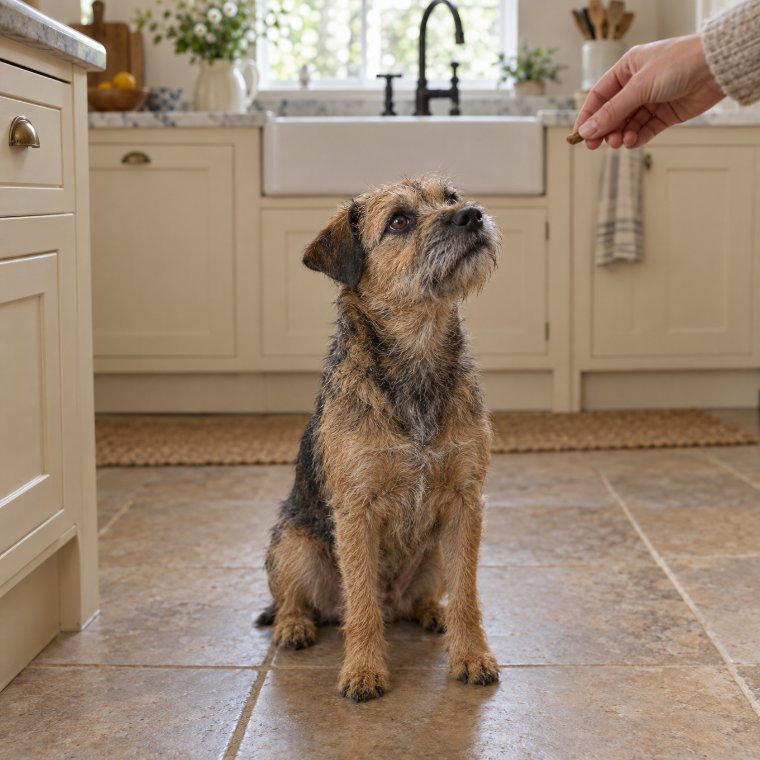
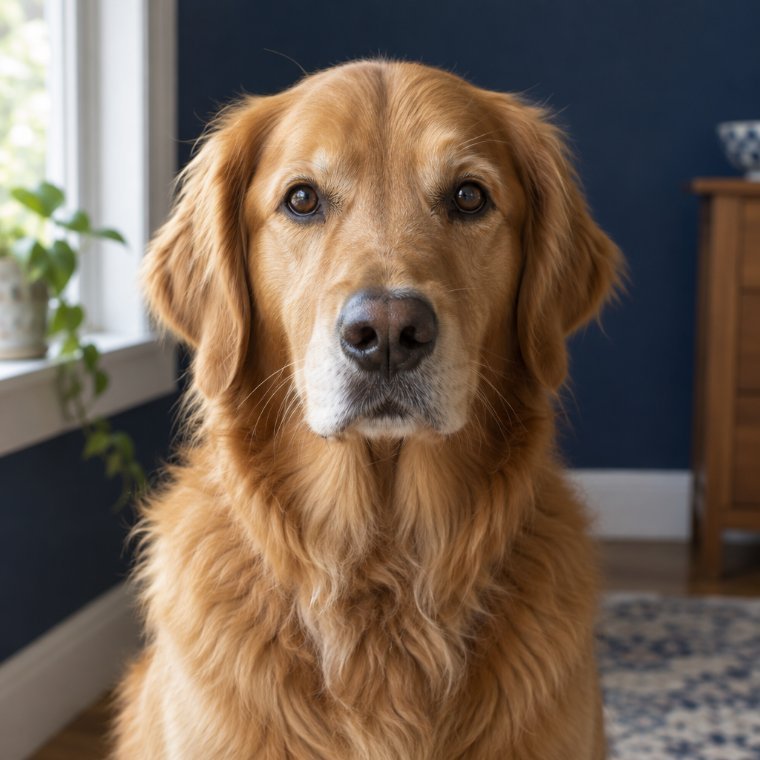
Does the size of the dog matter?
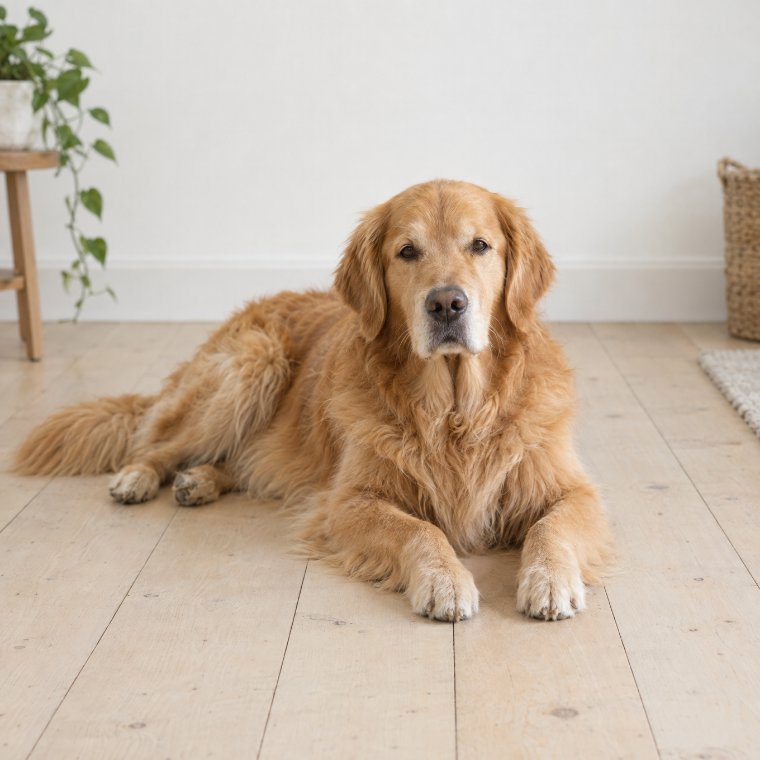
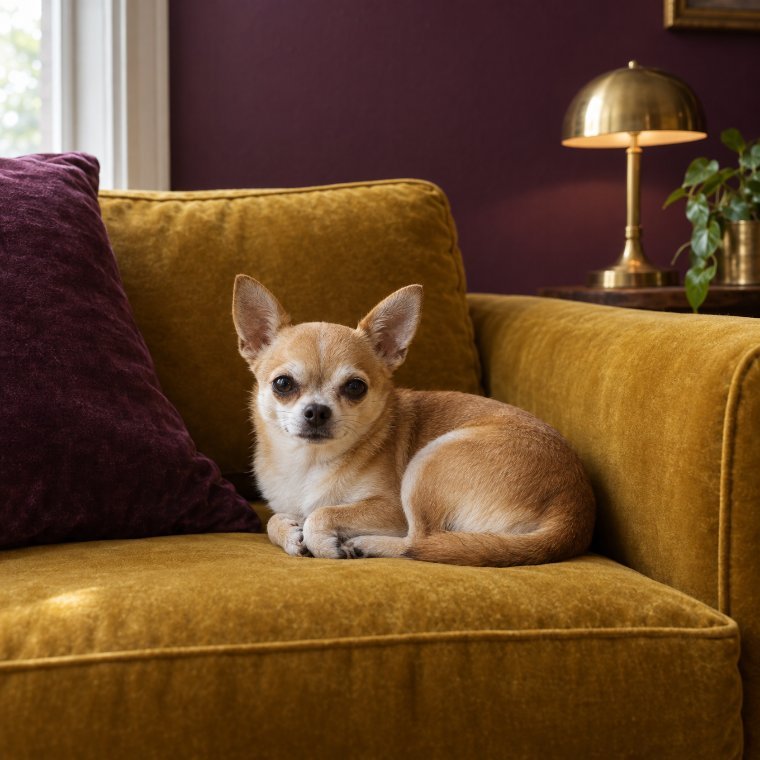
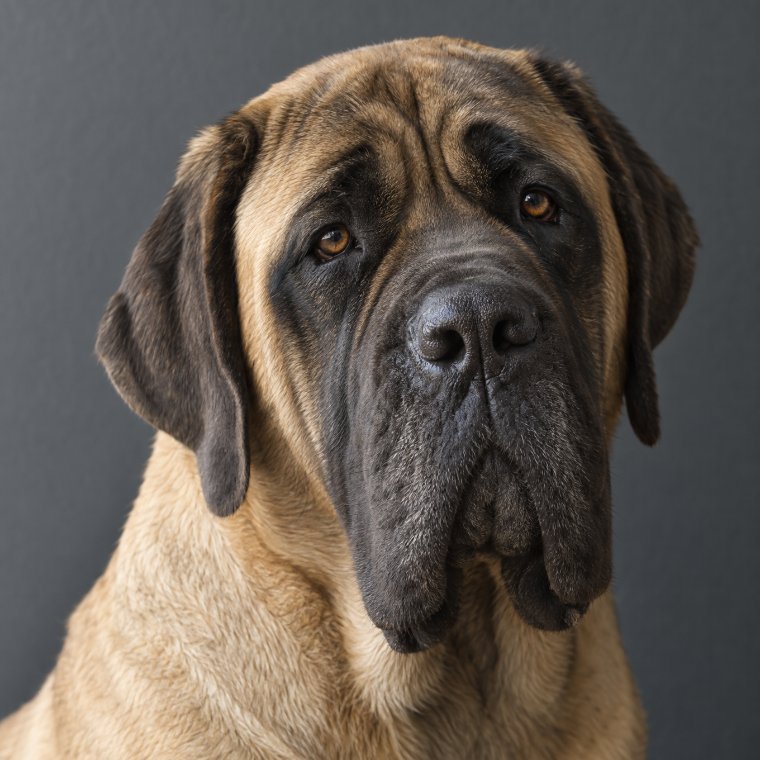
Yes — but not the way people assume. Size has far more influence on how bad an injury is than on whether a bite happens. Small dogs bite more often; large dogs do more damage. Neither fact makes any size of dog safe to leave alone with a baby.
Small dogs
The most commonly underestimated group. Small dogs are statistically more likely to bite — partly because their warnings get ignored, tolerated or found amusing in a way a large dog’s never would be.
The critical point: a newborn’s skull, face and neck are fragile enough that a small dog can cause permanent injury. “He’s only little” is not a safety argument where an infant is concerned.
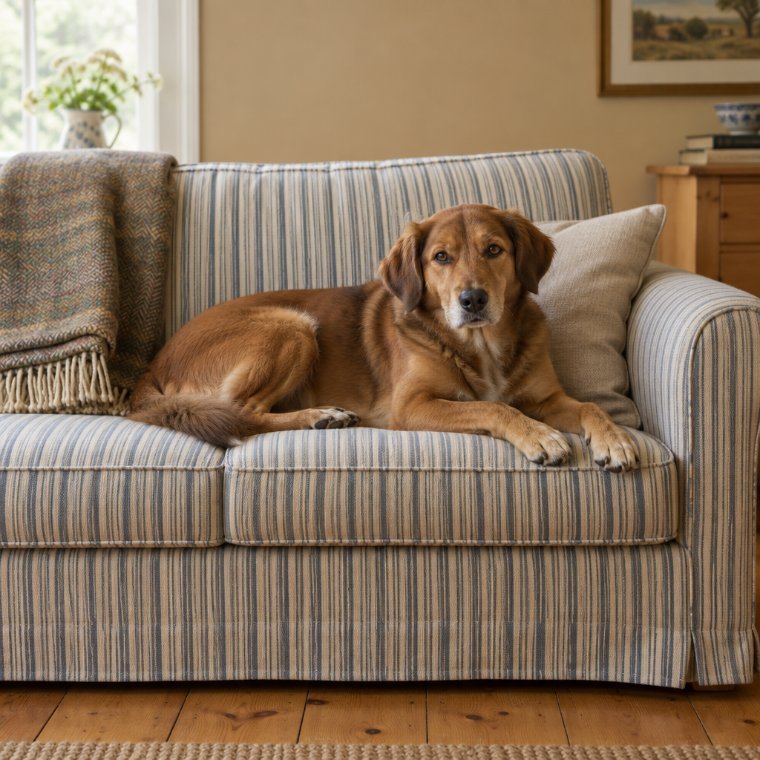
Medium dogs
Strong enough to cause serious injury, light enough that owners still handle them casually. This group tends to get the least deliberate management, because they feel neither fragile nor intimidating.
Watch for: accidental knocks. A 40 lb dog turning fast in a hallway flattens a toddler learning to stand — an injury with no bite involved at all.
Large dogs
Research on bite severity found dogs in the 66–100 lb range had both the highest bite risk and the highest average tissue damage per bite — the combination that makes this group the one to manage most tightly.
Two separate risks: the bite, and the accident. A jump, a body-check on the stairs or a paw on a chest needs no aggression at all.
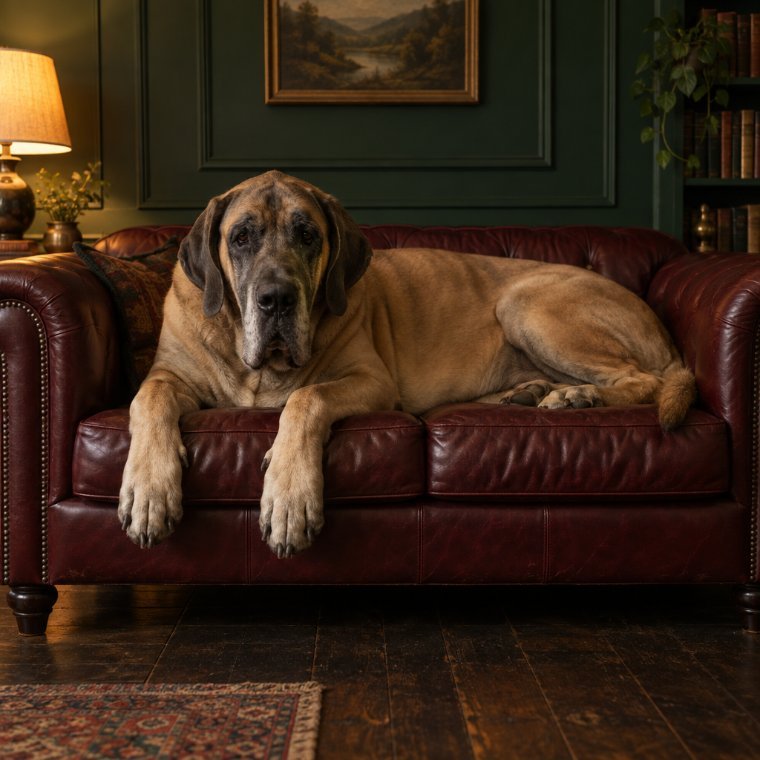
Giant dogs
Often the gentlest temperaments on the list — and the ones where temperament matters least, because physics does the damage. A tail at head height, a lean, a dog lying down in the wrong place.
Manage on consequence, not intent. There is no version of a 70 kg dog in a nursery that is worth the risk, however soft it is.
Most of this is preventable with preparation.
The same few patterns keep repeating — and they are patterns you can plan around.